Systems
Every system, built in‑house.
Drones, ground robots, and spacecraft, with the AI, software, and engines that run them. Designed, built, and tested under one roof.
Air
Drones
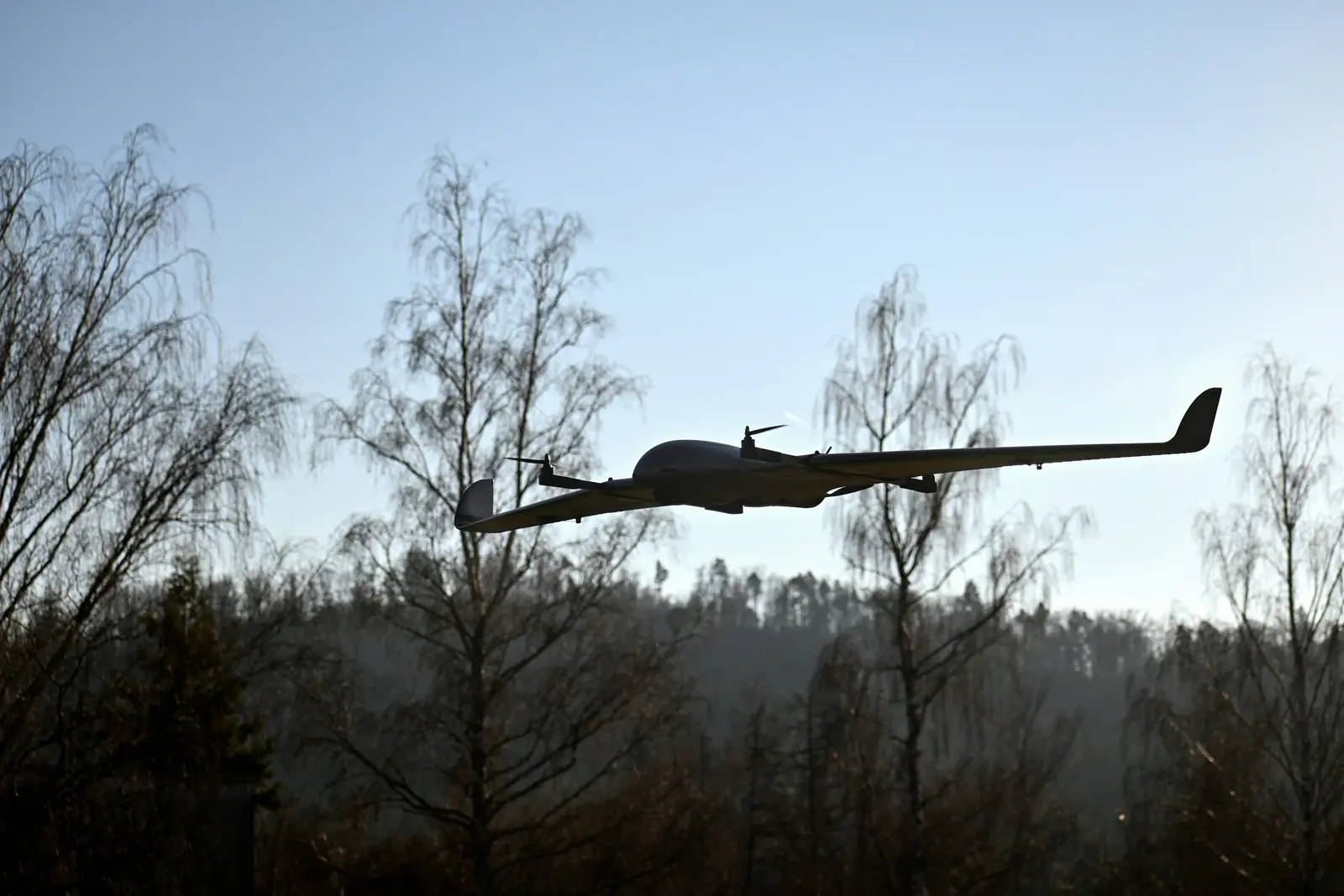
Aircraft built to work in groups, and to keep working when GPS and the radio link are gone.
From hand-launched multirotors to long-endurance fixed wing, every Hexis aircraft carries its own autonomy. The group shares what it sees, splits the work, and adapts when one of them drops out.
- AirframesMultirotor, fixed wing, and vertical take-off
- AutonomyCollaborative swarming and task sharing
- NavigationVisual and inertial navigation without GPS
- PayloadsDaylight, infrared, and mapping sensors
- MissionsReconnaissance, mapping, relay, and resupply
Land
Ground robotics
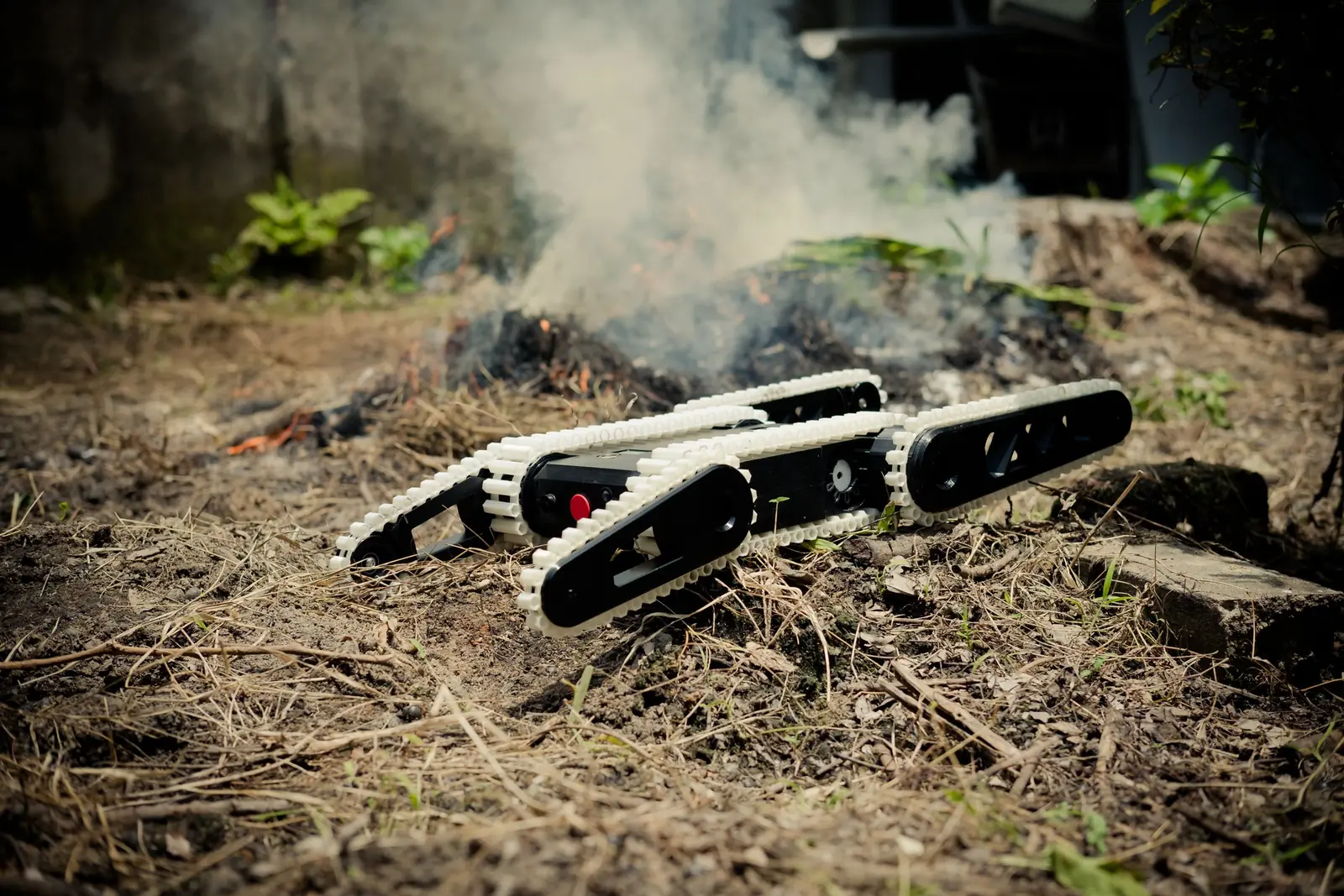
Robots that go first into ground that is not safe for people.
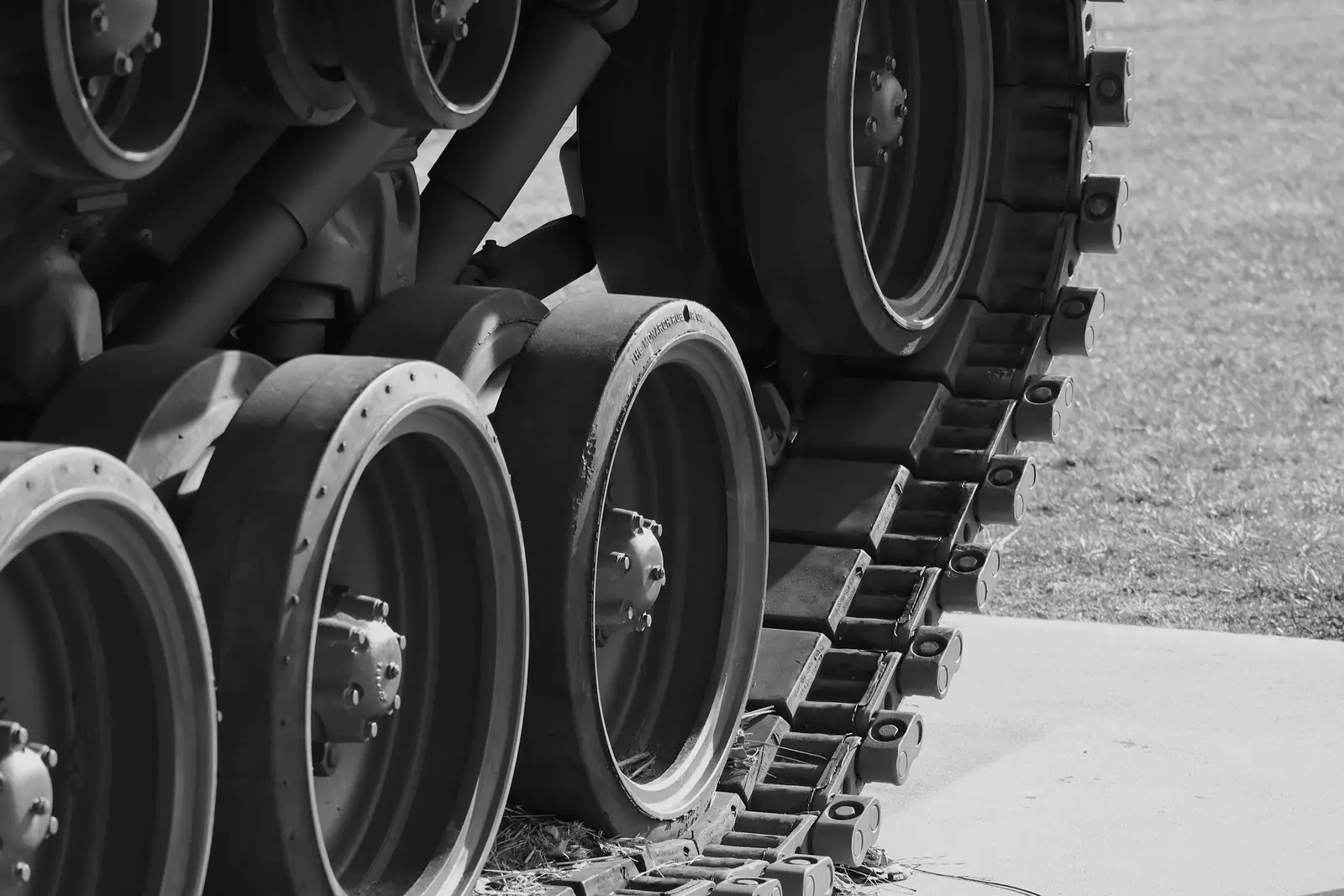
Wheeled and tracked platforms that carry loads, scout routes, and hold a position. They drive themselves over rough terrain and hand control to an operator when a decision needs a person.
- PlatformsWheeled and tracked
- AutonomyRoute following and obstacle avoidance
- ControlTeleoperation over weak or jammed links
- PayloadsModular bays for sensors and cargo
- UpkeepCommon parts, repairable in the field
Orbit
Space
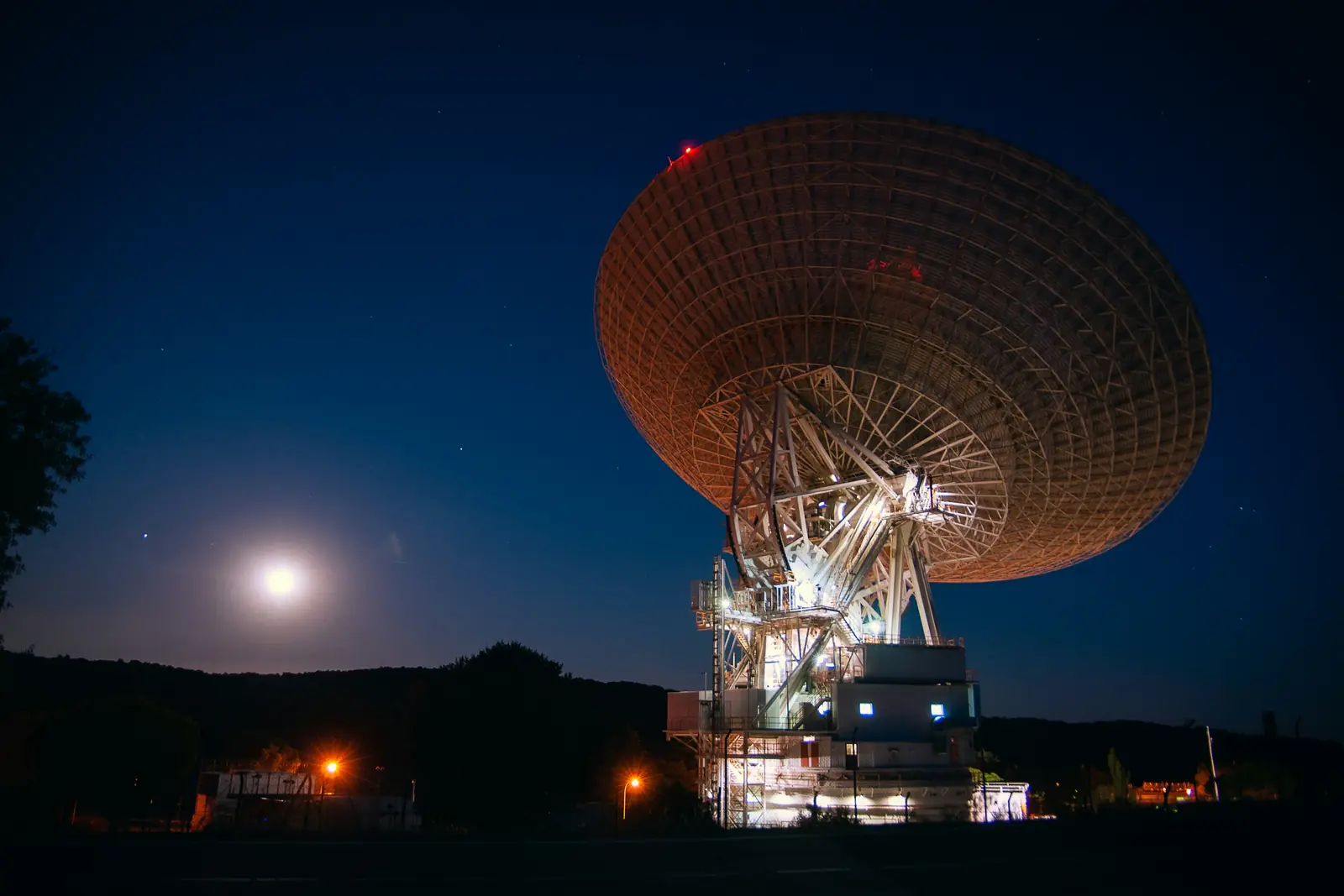
Small satellites for sensing, and for links that stay up when others go down.
We build small satellite platforms and payloads with the same discipline as our aircraft: tested hardware, simple interfaces, and software we can update in orbit.
- PlatformsSmall satellite buses
- PayloadsOptical and radio-frequency
- LinksEncrypted, jam-resistant communication
- GroundGround stations and mission software

AI & software
Trained to decide.
We write the AI and software that run every Hexis system, from the code on board to the screen in front of the operator.
What we write
One stack, from sensor to screen.
Our drones, ground robots, and spacecraft run the same core software. A capability proven on one machine moves to the next.
-
Autonomy
Keeps the mission going
Planning and control that keep working when GPS or the link drops.
-
Perception
Sees what matters
Models that find and track objects in camera, radar, and infrared data.
-
Mission software
Command from one station
Plan, task, and watch a whole group of machines from one screen.
-
Simulation
Simulate first
Every change runs in simulation and on test hardware before it reaches the field.
-
Embedded
Code on our own boards
Flight control, motor drives, and firmware for the hardware we build.
-
Security
Signed and encrypted
Signed updates, encrypted links, and code we can audit because we wrote it.
Command
A person stays in command.
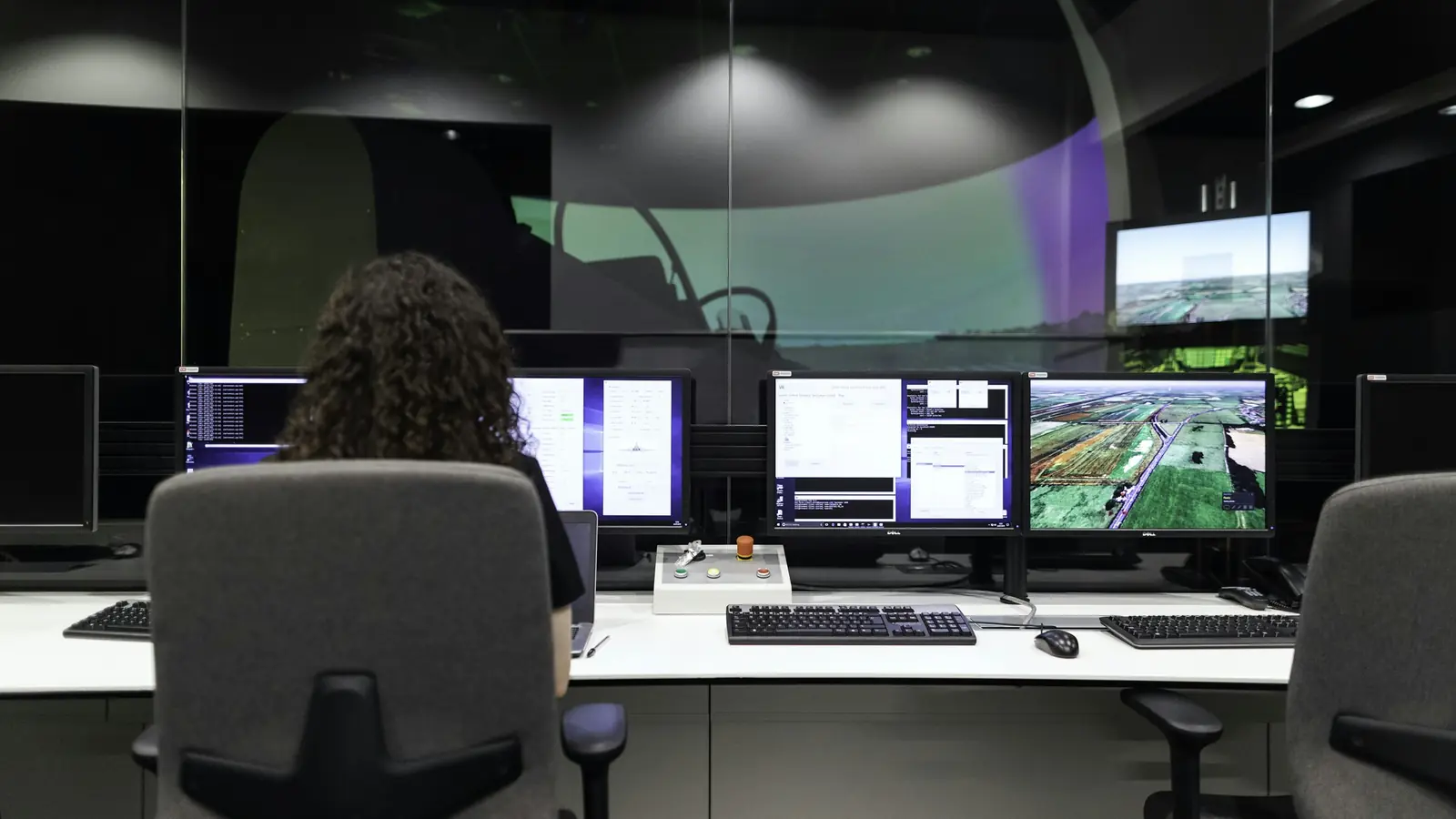
The operator sets the goal and the limits. The software works inside them, shows what it is doing and why, and gives control back at any time.
Propulsion
The engine sets the limits. So we build the engine.
Propulsion is the part of a vehicle that is hardest to change late. We keep it close.
-
Control
We set the limits
Range, speed, and payload all come back to the engine. Owning it means we decide those limits, not a supplier.
-
Speed
Short loops
Design, build, and test sit side by side, so a change reaches the test cell fast, and the data comes straight back.
-
Supply
Fewer surprises
Fewer outside dependencies mean fewer delays when production grows.
What we work on
Four kinds of power.
-
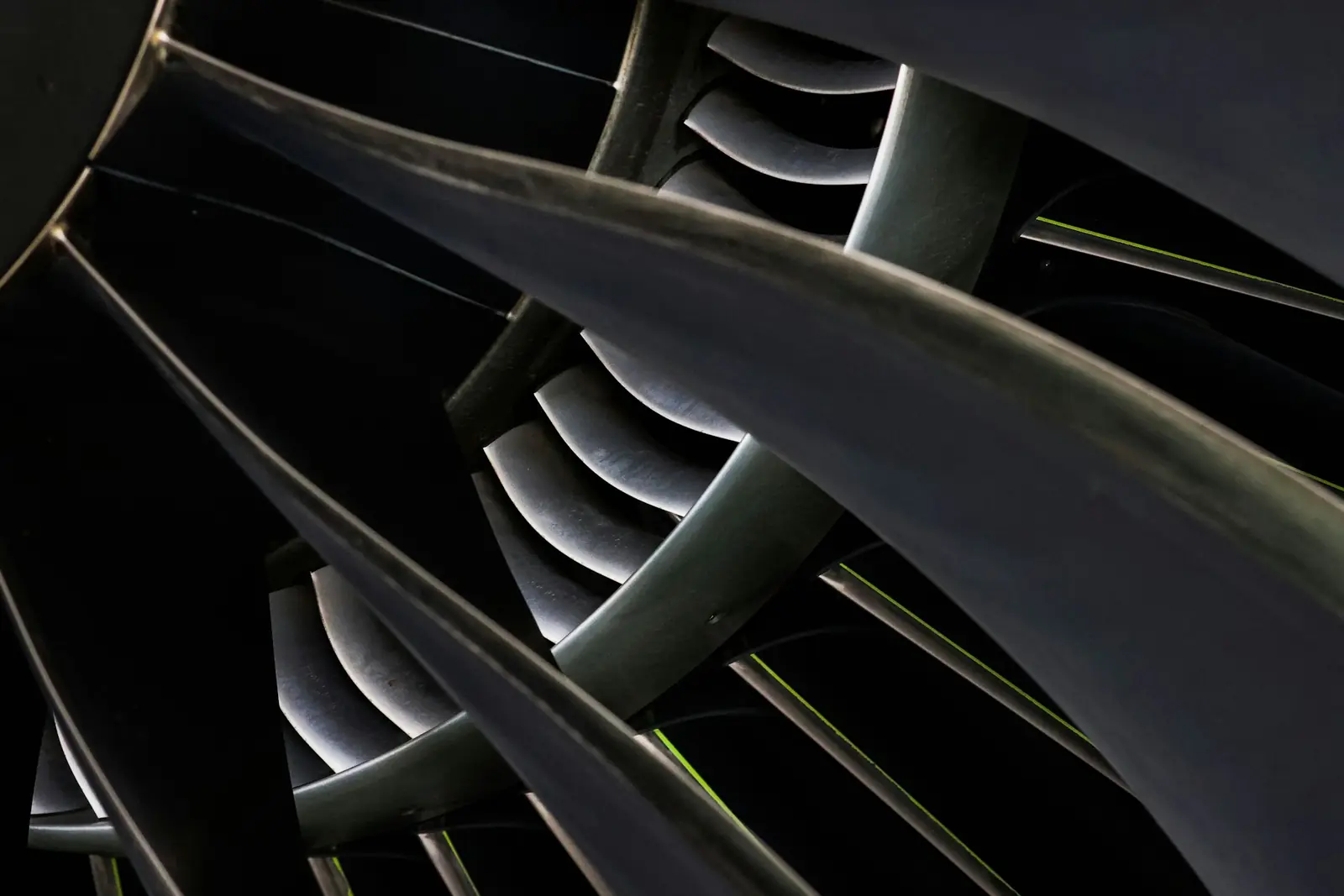
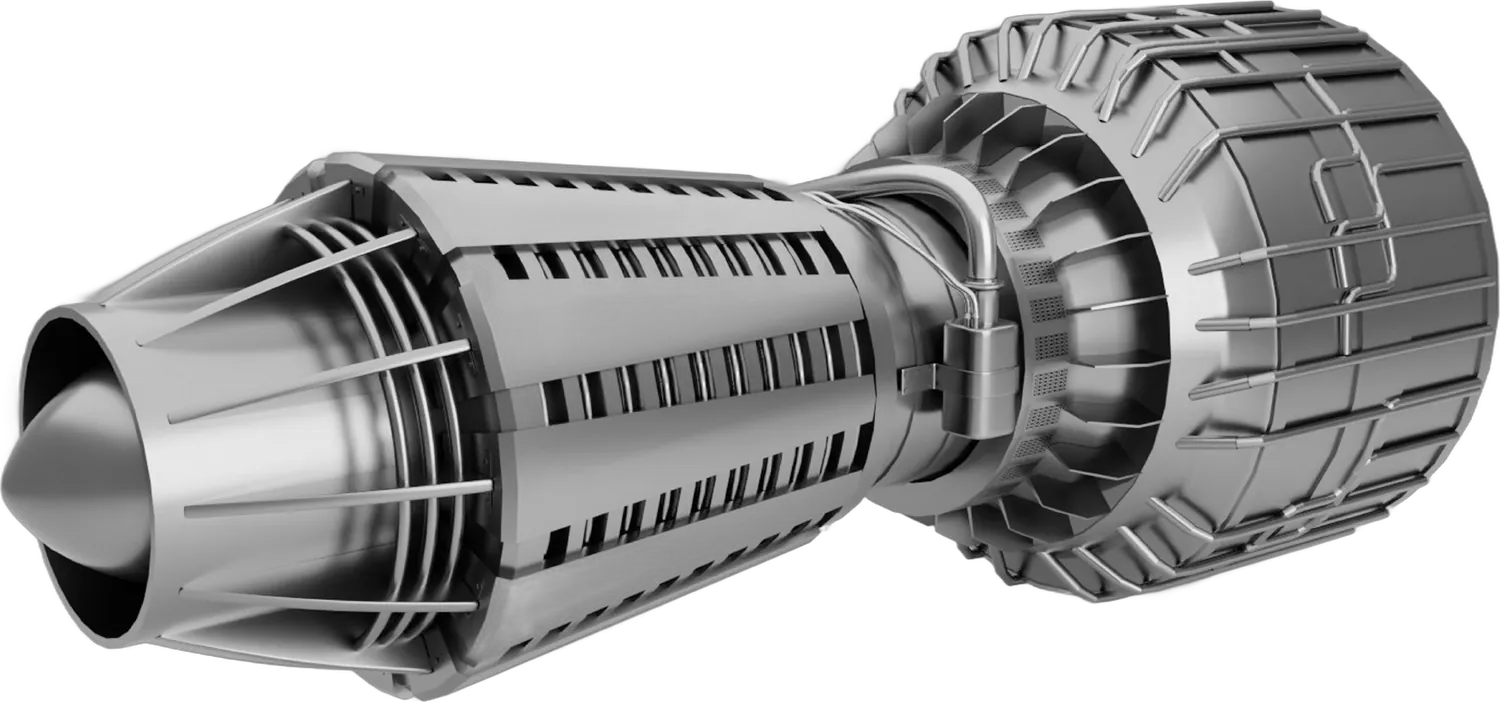
Turbine
Small turbine engines
Compact gas-turbine engines for fast, long-range aircraft.
-
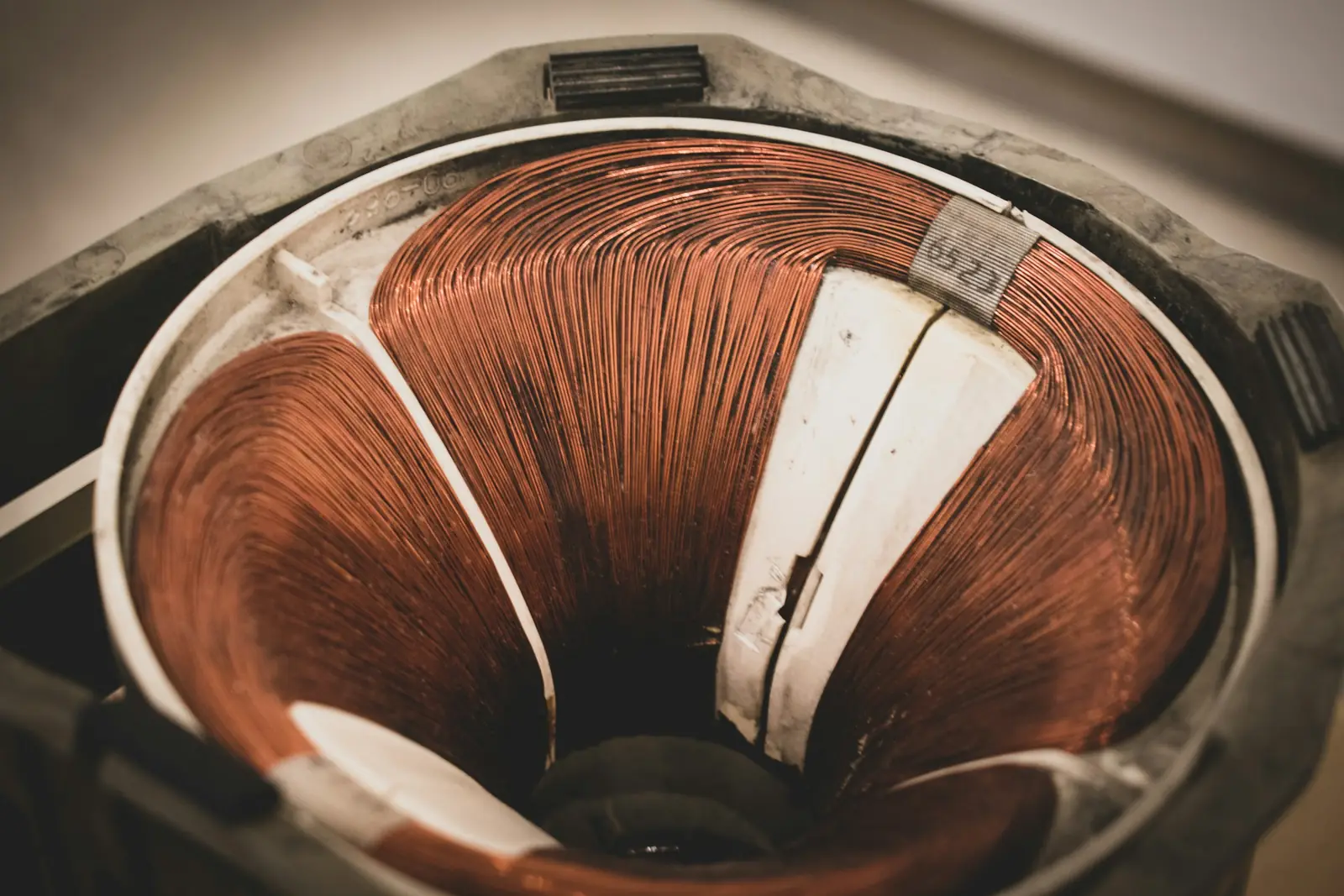
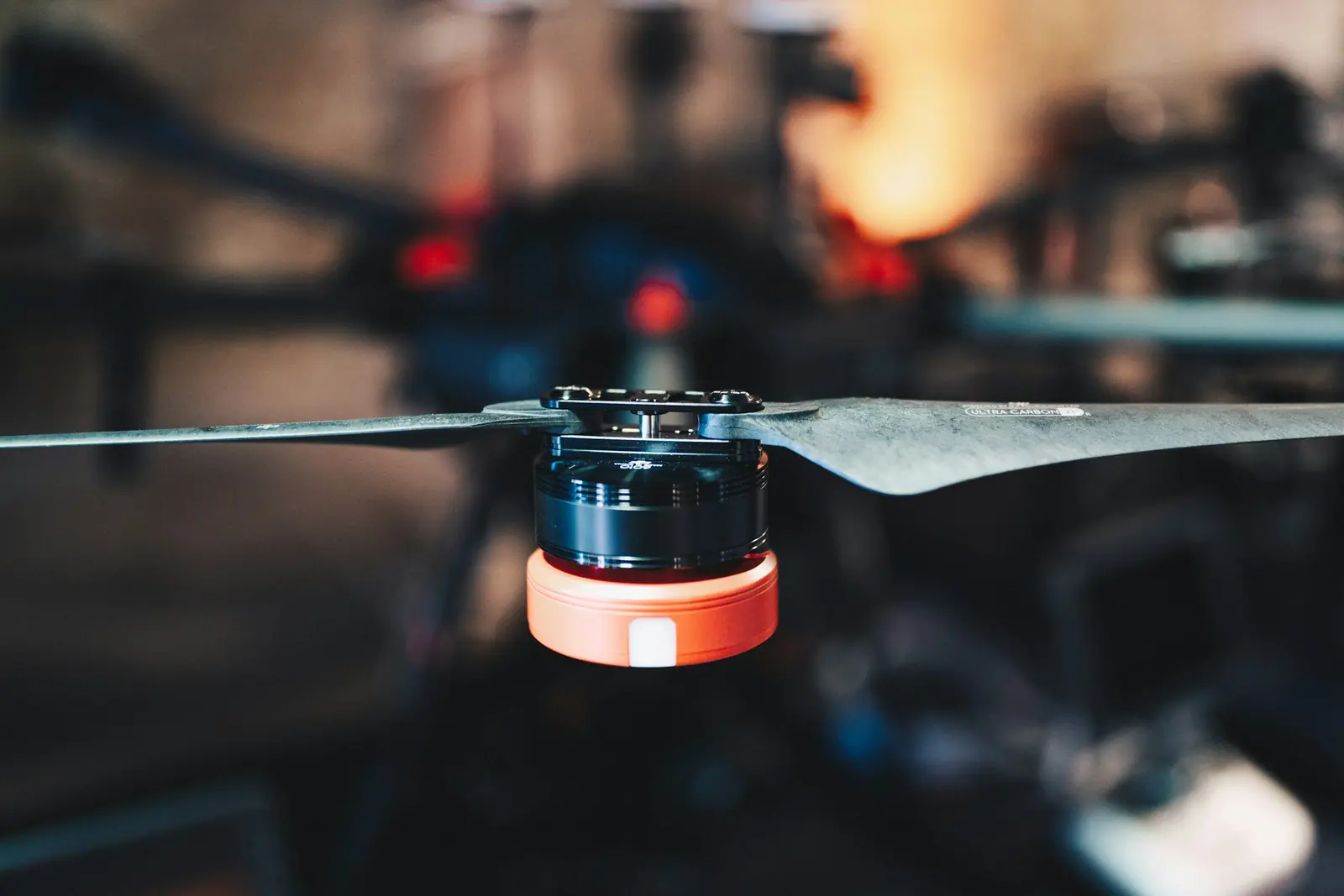
Electric
Motors and drives
Motors, drives, and controllers for quiet, efficient flight and ground mobility.
-
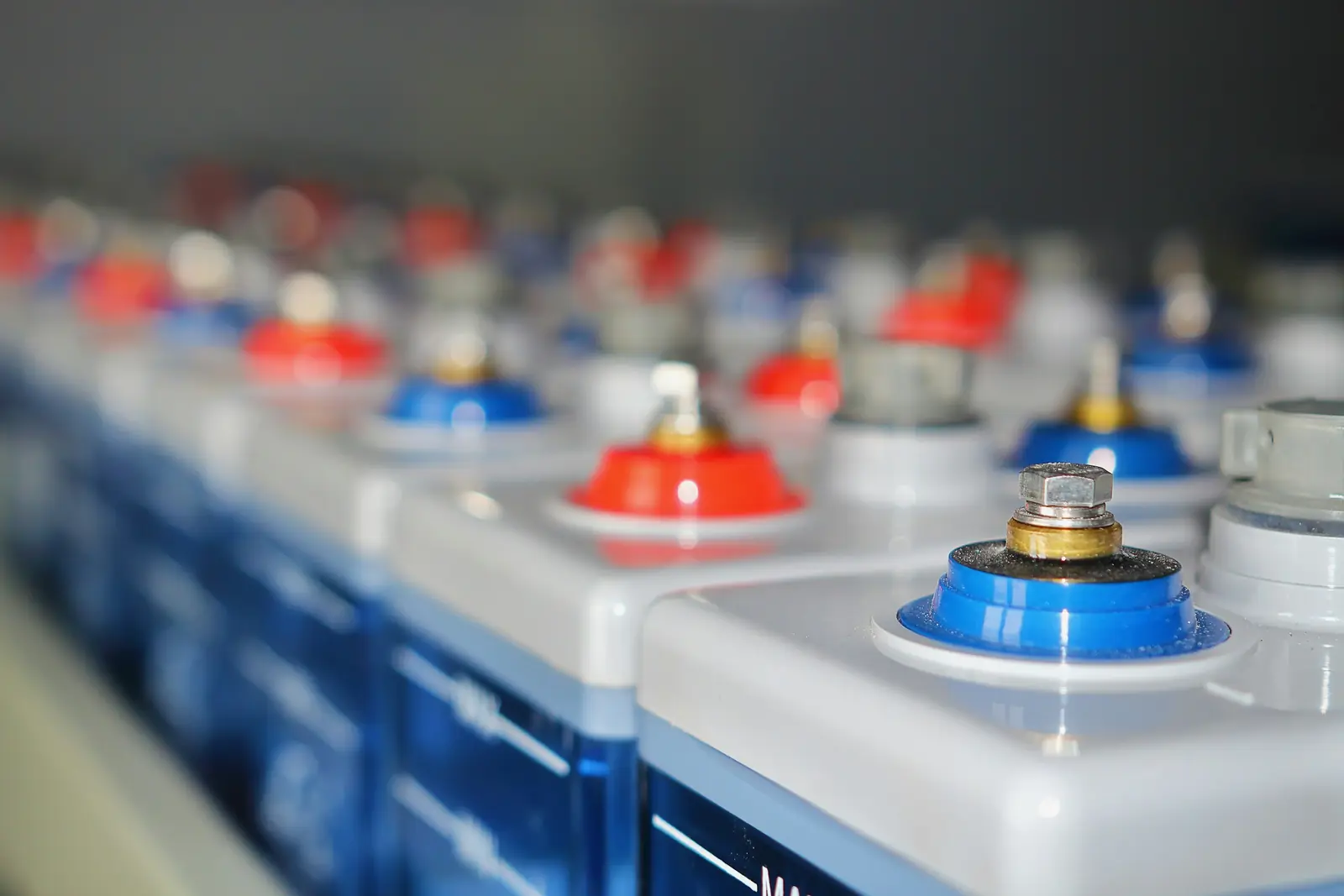
Hybrid power
Batteries and generators
Energy storage and hybrid generation for missions that outlast a single charge.
-
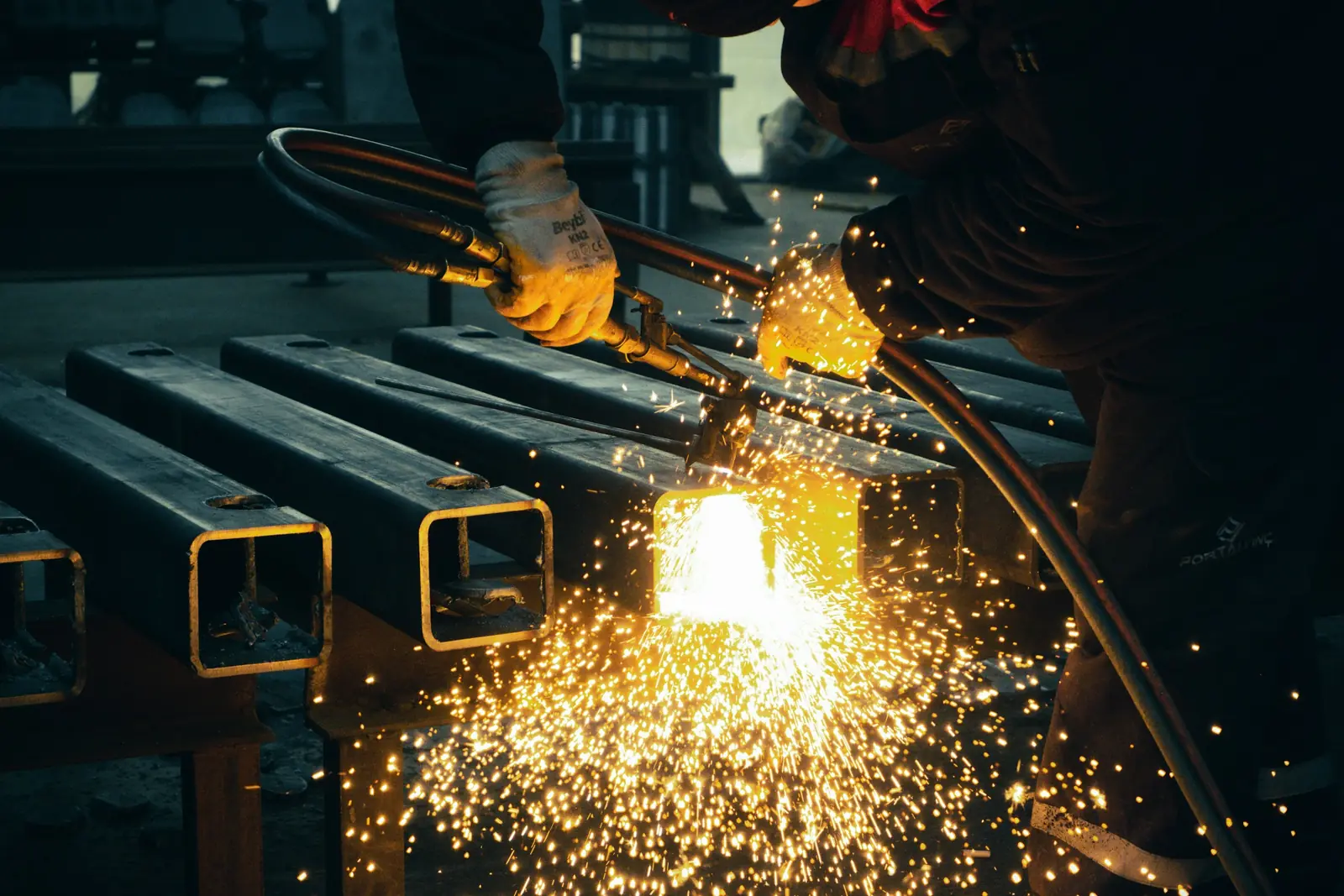
Fabrication
Hot sections, made here
Combustors, nozzles, and housings are machined and welded in our own shop.
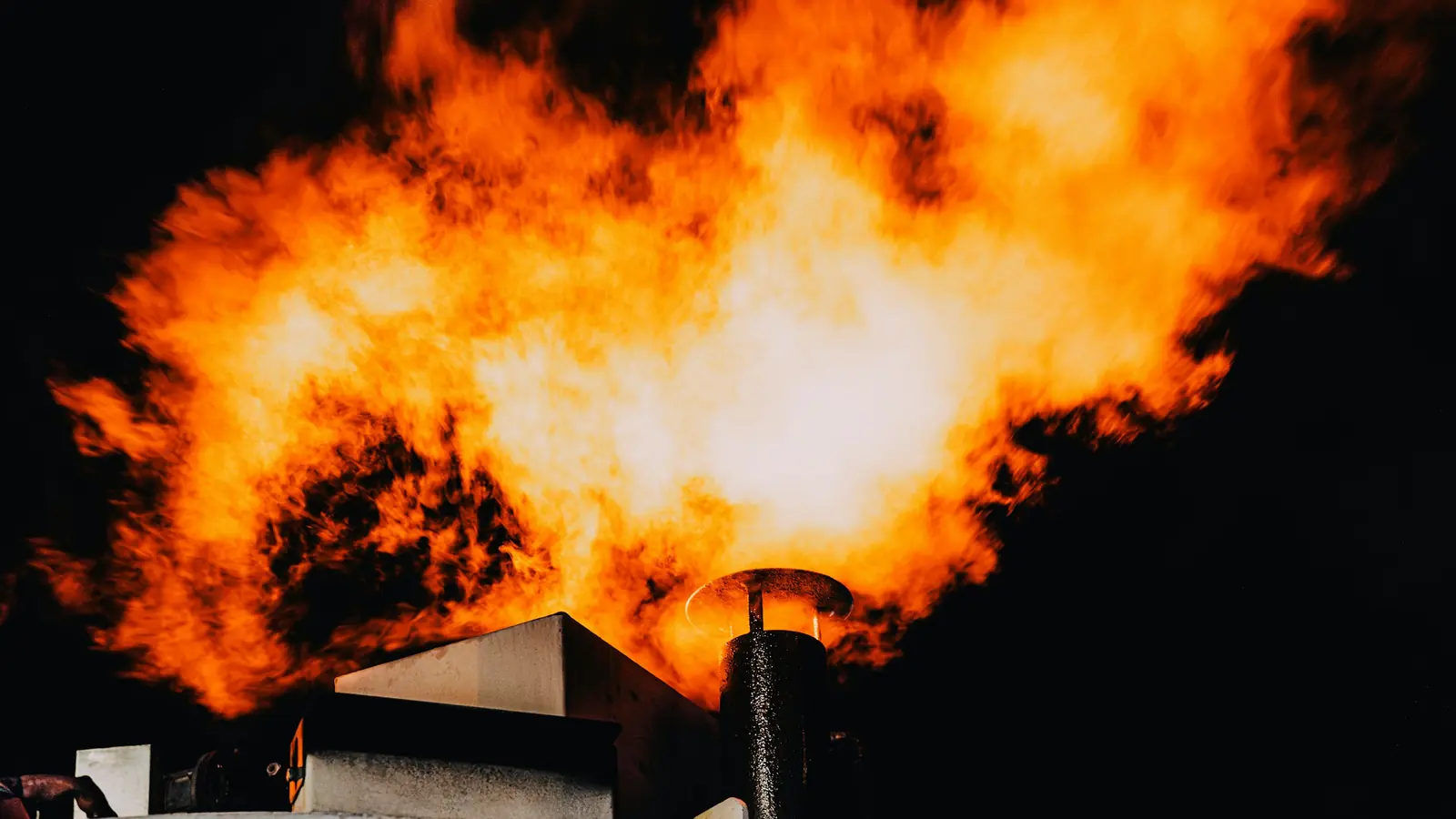
Test
Every engine runs before it flies.
Instrumented test cells measure thrust, temperature, vibration, and fuel flow on every run. The data goes straight back to the people who designed the part.
Manufacturing
Designed here. Built here.
We own the line from raw stock to field-ready system. Six disciplines sit a few steps from the engineers who design the parts.
-
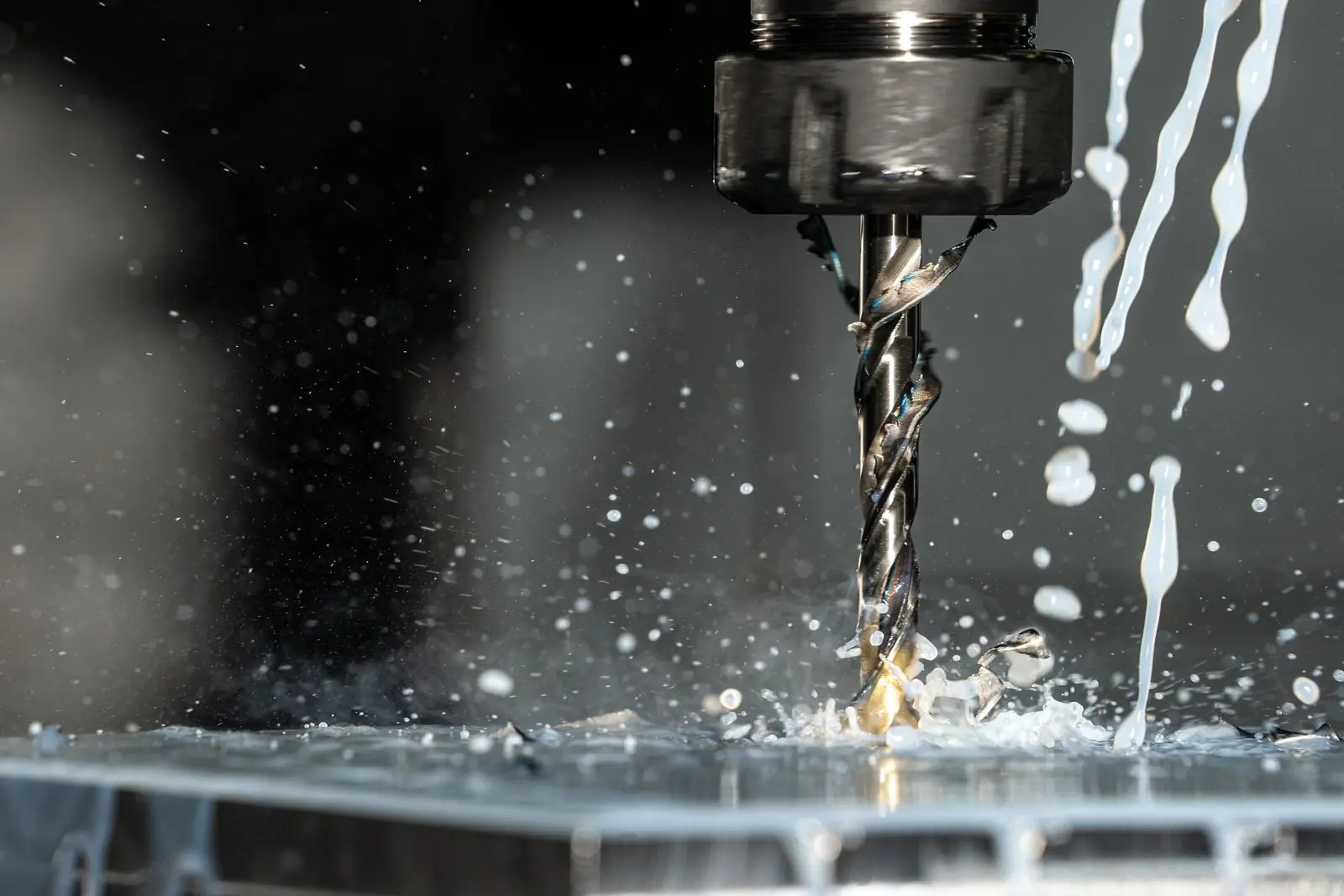
Machining
Precision machining
Multi-axis milling and turning for structures, housings, and engine parts.
-
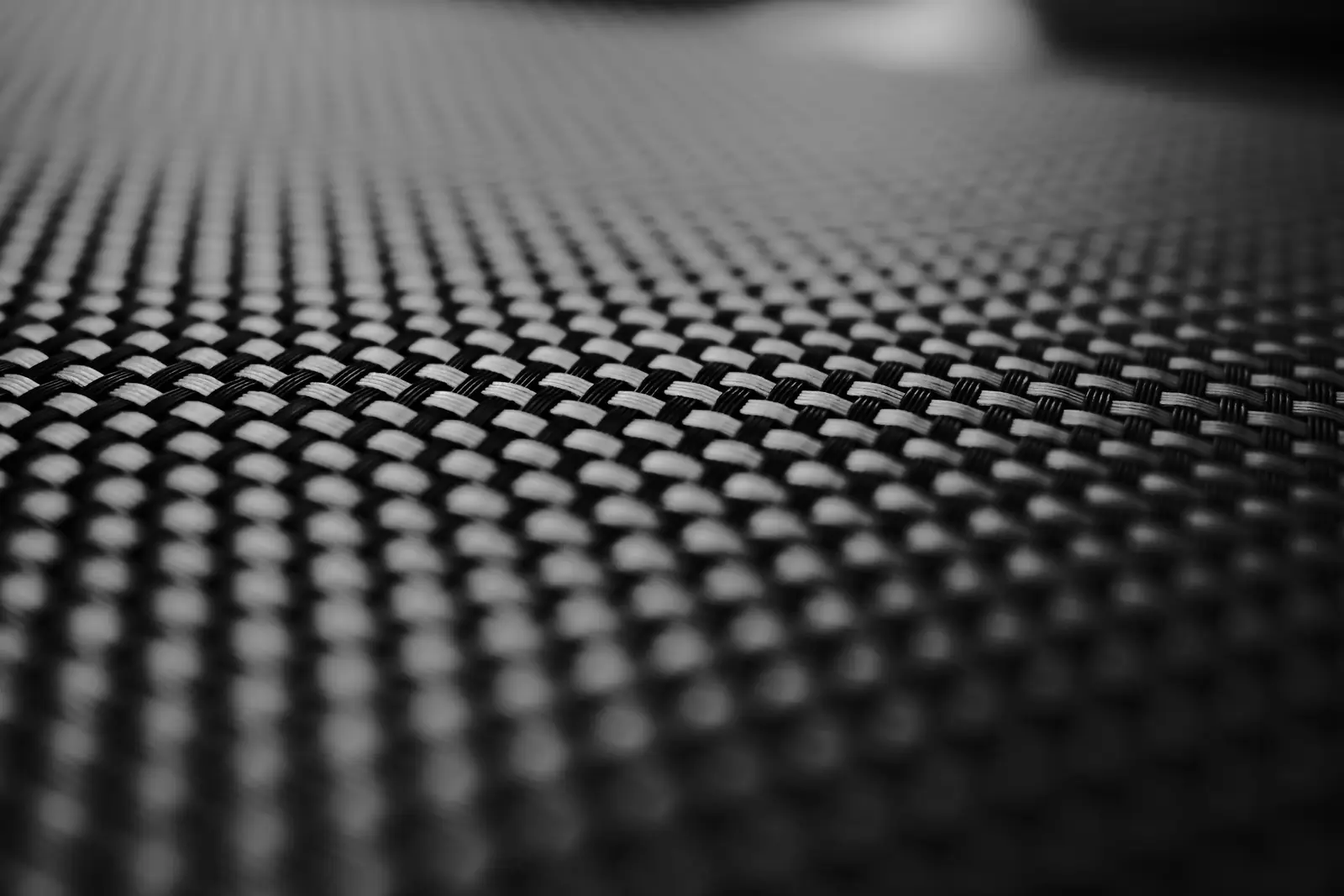
Composites
Composite structures
Carbon-fibre layup and curing for light, stiff airframes and structures.
-
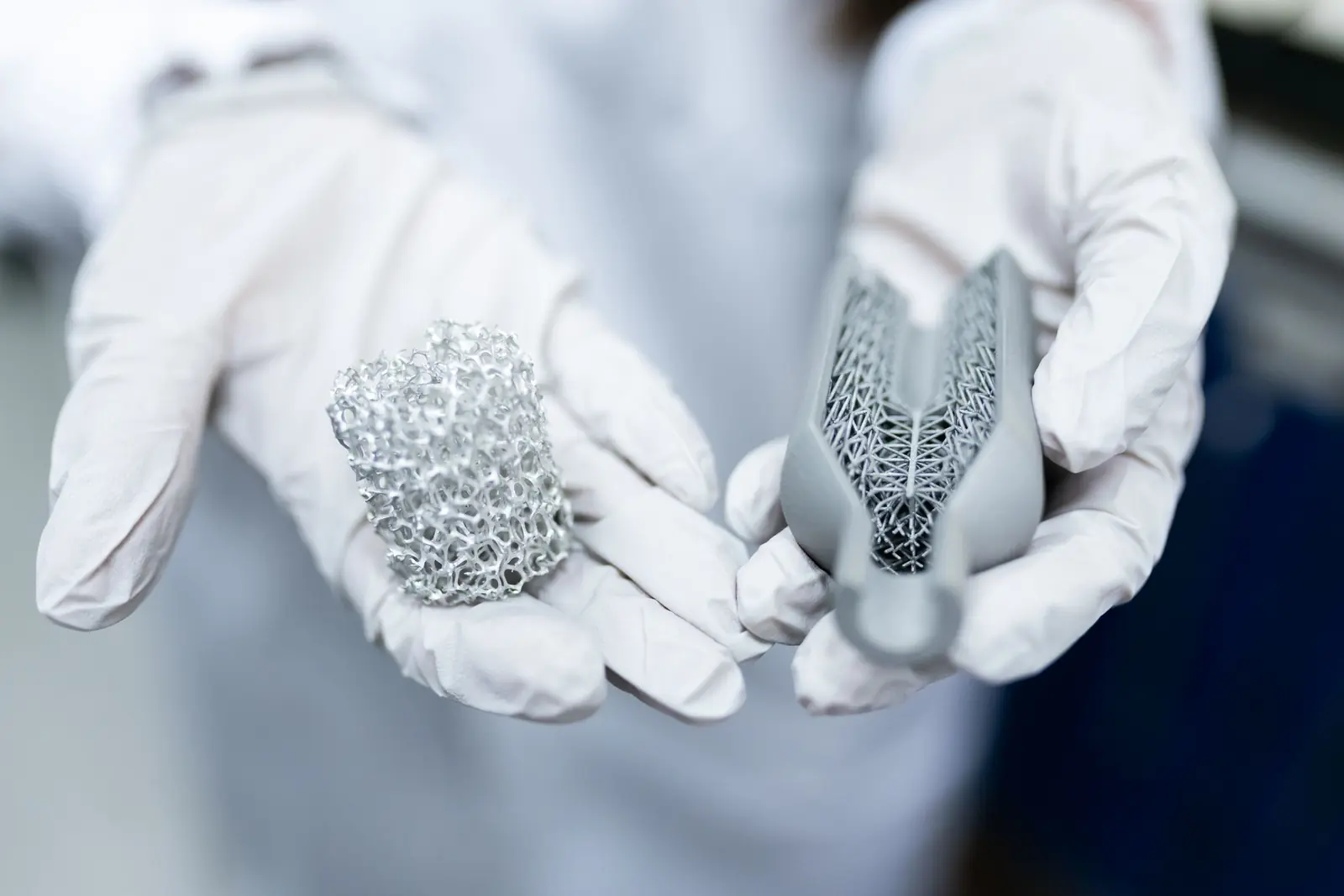
Additive
Additive manufacturing
Metal and polymer printing for complex parts and fast prototypes.
-
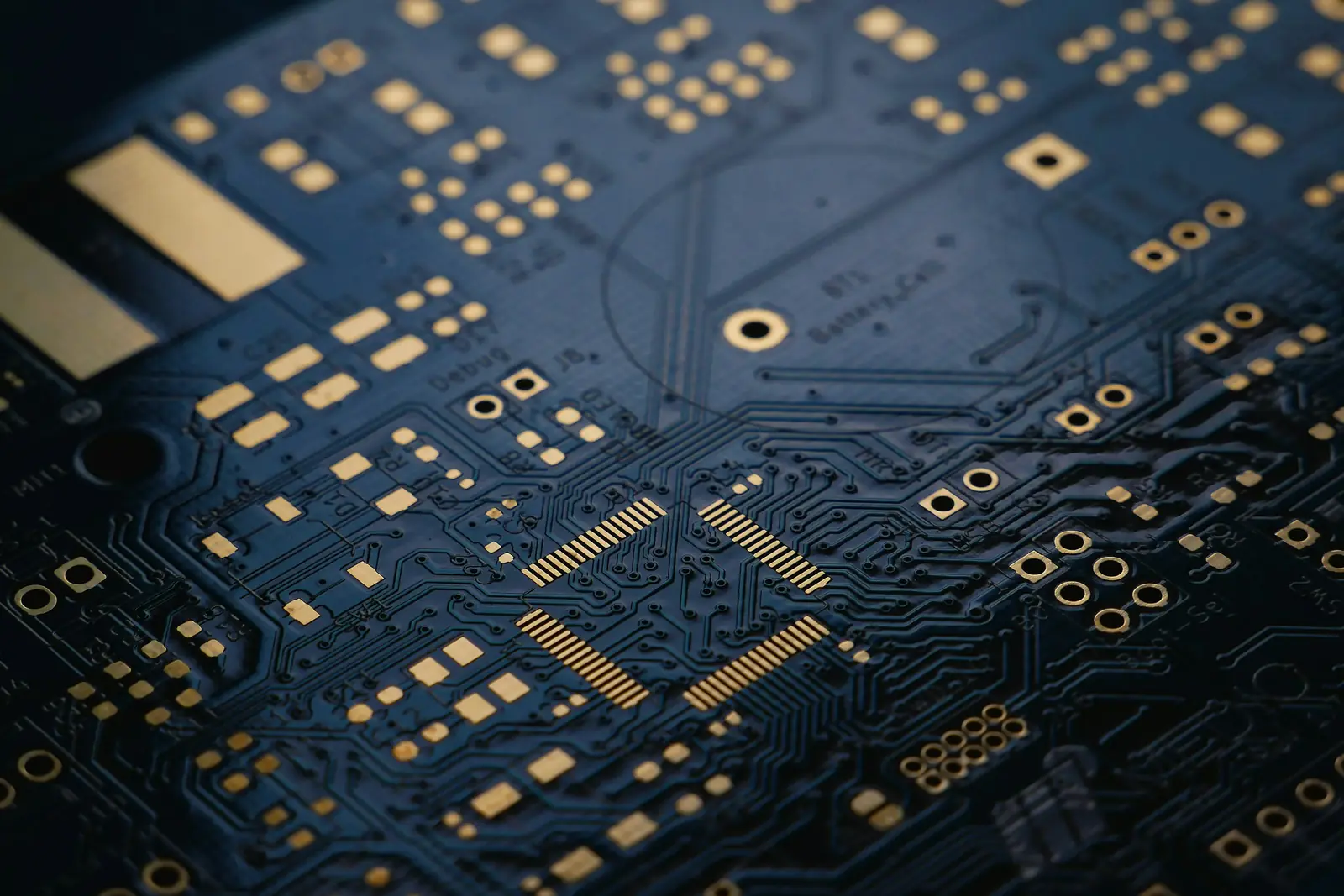
Electronics
Electronics
Circuit-board assembly, wiring harnesses, and rework in-house.
-
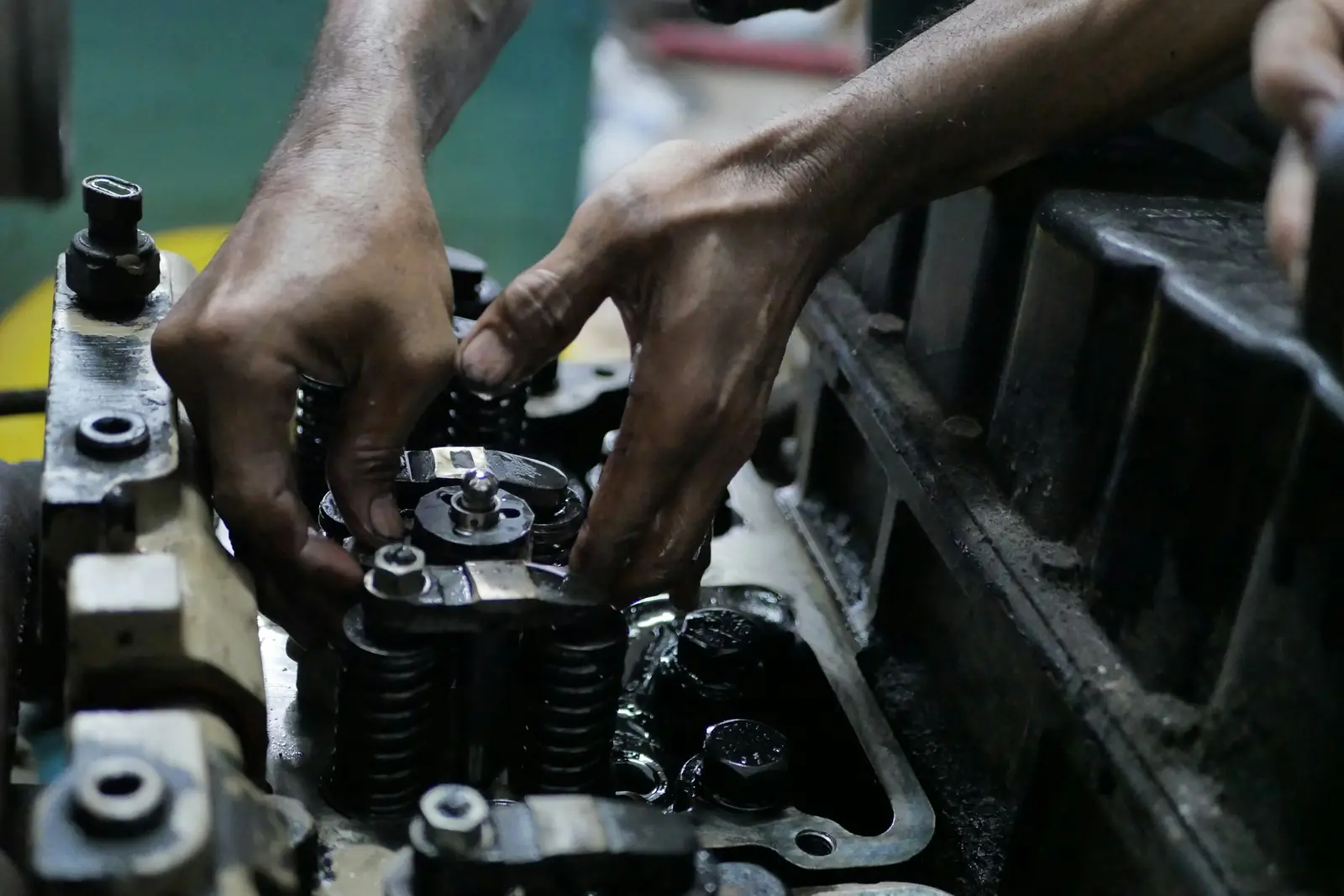
Assembly
Assembly and integration
Systems come together on our own line, with the engineers who designed them.
-
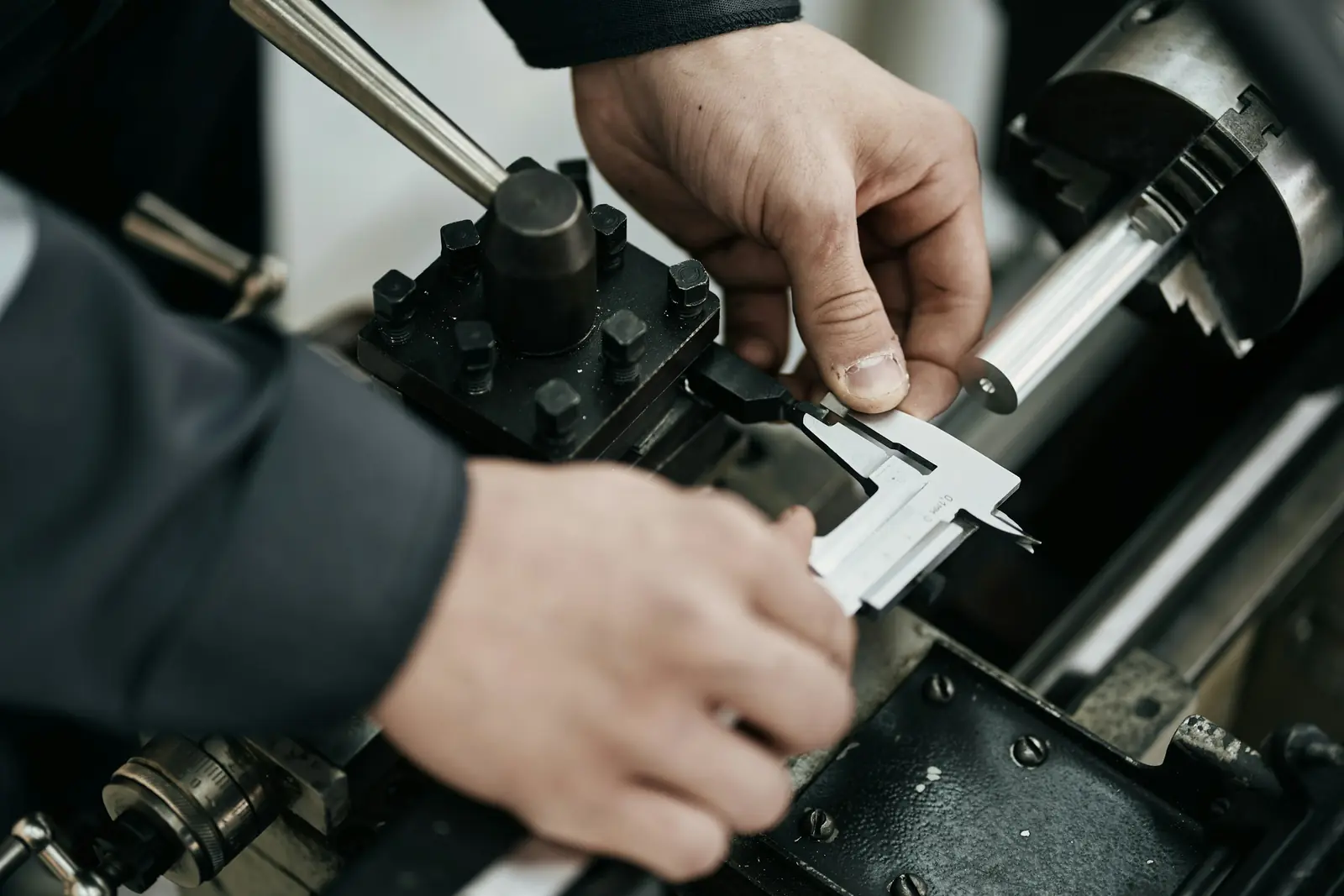
Quality
Test and quality
Inspection and measurement at every step, with a record for every part.
Our approach
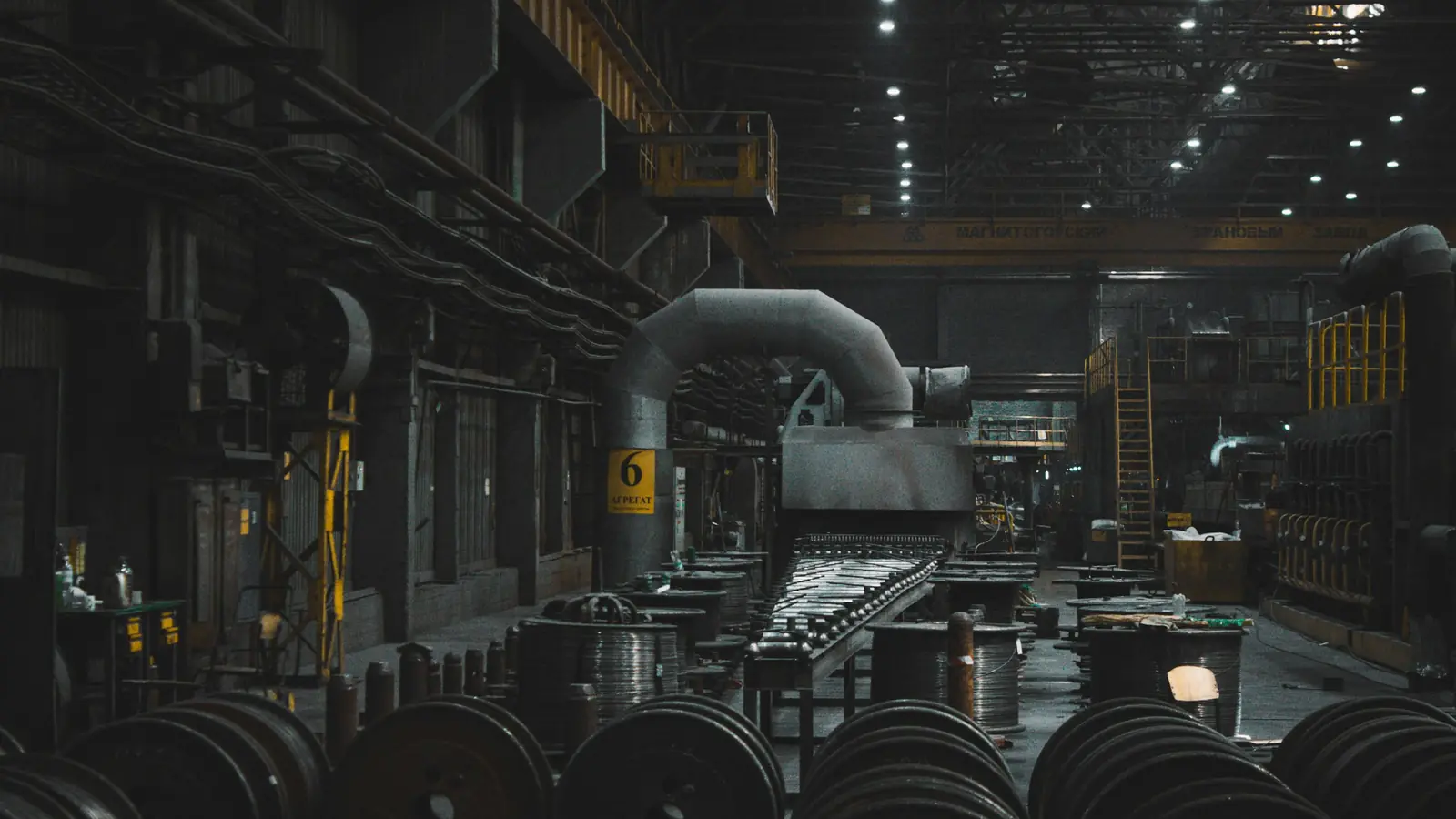
Short loops build better machines.
When design and production sit side by side, we fix a problem where it starts.
Process
From first sketch to the field.
01
Design
Requirements become drawings, models, and simulations.
02
Prototype
Printed and machined prototypes answer questions early.
03
Machine
Production parts are cut in-house, to drawing.
04
Assemble
Structures, electronics, and harnesses come together.
05
Test
Bench, chamber, and open-air tests prove the build.
06
Field
Systems ship with the people who built them.
How we build them
Made to work with what you already field.
-
Interfaces
Open by default
Standard connectors and documented protocols, so our systems plug into the networks and controls you already use.
-
Security
Secure by design
Encrypted links, signed software, and hardware we build and inspect ourselves.
-
Upkeep
Built to be repaired
Common parts and modular assemblies, so a field team can fix a system where it stands.
Have a mission in mind?
Tell us what you need to see, reach, or protect. We will tell you how we would build it.
Contact us